

Designing a Raised Decking Terrace and the Process Involved

Creating a raised decking terrace is a fantastic way to add style, function, and value to any outdoor space. Whether you want a spot for relaxing, entertaining, or enjoying your garden views, a raised terrace can transform your property. I’m excited to share the step-by-step process of designing and building one, with practical tips and examples to guide you through.

Planning Your Raised Decking Terrace
The first step is to plan carefully. You want your terrace to fit your space perfectly and meet your needs. Start by thinking about:
Purpose: Will it be for dining, lounging, or both?
Size and shape: How much space do you have? What shape suits your garden?
Access points: Where will you enter and exit the terrace?
Sunlight and shade: Consider how the sun moves across your garden.
Privacy: Will you need screens or planting to create a private area?
Sketching your ideas on paper or using simple design software can help you visualise the layout. At this stage, it’s also wise to check local building regulations in London, as raised terraces may require planning permission depending on height and location.
Choosing Materials for Your Decking
Material choice affects the look, feel, and maintenance of your terrace. Popular options include timber, composite decking, and aluminium. Each has pros and cons:
Timber: Natural and warm, but needs regular treatment to prevent rot and weather damage.
Composite decking: Made from recycled wood and plastic, it’s low maintenance and durable.
Aluminium decking: Lightweight, strong, and resistant to weather, but can be more expensive.
Designing the Structure and Support
A raised decking terrace needs a strong frame and support system. This usually involves:
Joists and beams: These form the skeleton of the deck. They must be spaced correctly to support the decking boards.
Posts and footings: These hold the deck off the ground. Footings should be set below the frost line to prevent movement.
Fixings and connectors: Use corrosion-resistant screws and brackets to ensure longevity.
If you want a sleek, modern look, aluminium framing systems like AluFrame Deck Supports can be a smart choice. They are lightweight, easy to install, and resist rust. Check out their details here.
Preparing the Site
Before building, clear the area of plants, debris, and any obstacles. If the ground is uneven, you may need to level it or add a sub-base of compacted gravel. Proper drainage is essential to avoid water pooling under the deck, which can cause damage over time.
If your site has poor drainage or slopes, consider installing a drainage system or retaining walls. This will protect your terrace and garden.
Building the Decking Terrace
Once the site is ready and materials are chosen, the building process begins:
Install footings and posts: Dig holes, set posts in concrete, and allow to cure.
Fix beams and joists: Attach the frame securely to the posts.
Lay decking boards: Start from one edge, fixing boards with screws or hidden clips. Leave small gaps for drainage and expansion.
Add stairs or ramps: If your terrace is high, safe access is important.
Install railings or balustrades: For safety and style, especially on higher decks.
Using quality products like DeckPro Fasteners can make installation easier and ensure a neat finish. They are designed for composite and timber decking and resist corrosion. More info is available here.

Adding Finishing Touches
The final step is to personalise your terrace. Think about:
Lighting: Solar or LED lights can create a warm atmosphere.
Furniture: Choose weather-resistant pieces that fit your style.
Planters and greenery: Add pots or built-in planters for colour and privacy.
Shade options: Pergolas, umbrellas, or retractable awnings can make your terrace usable in all weather.
A well-designed raised decking terrace becomes a favourite spot for relaxing or entertaining. It also adds value to your property and enhances your outdoor living space.

Why Professional Design and Technical Drawings Matter
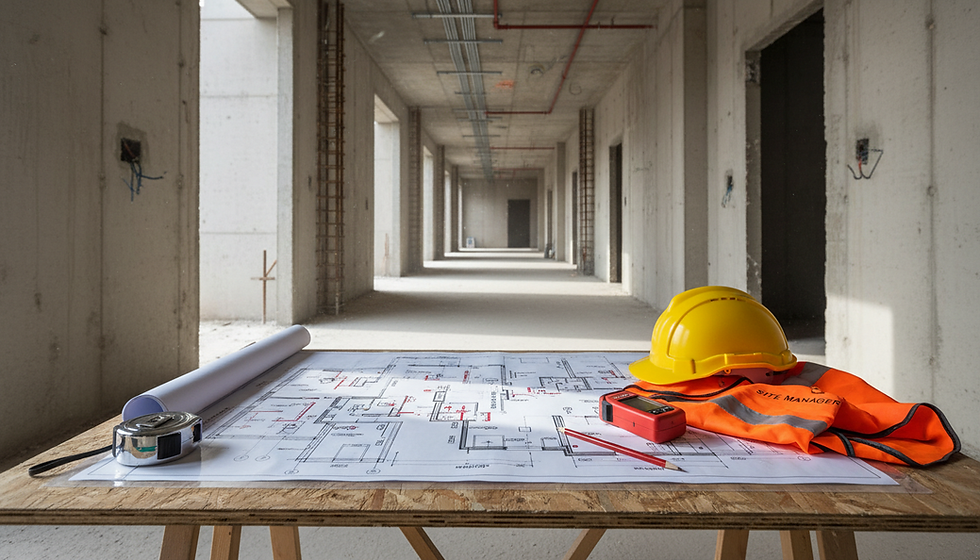
Designing a raised decking terrace involves many details. Precise technical drawings help avoid mistakes and ensure the build goes smoothly. They show exact measurements, materials, and construction methods.
Working with a specialist who can provide detailed 3D renders and technical plans makes the process easier. It helps you visualise the finished terrace and communicate clearly with builders.
If you want to make your design process smoother and more efficient, consider partnering with a service like Studio Drafting London. They specialise in creating clear technical drawings and stunning 3D renders tailored to your project needs.
Designing and building a raised decking terrace is a rewarding project that transforms your outdoor space. By planning carefully, choosing the right materials, and following a clear process, you can create a beautiful and functional terrace that lasts for years.
Ready to start your raised decking project? Take the first step by sketching your ideas and exploring materials like EcoDeck Composite Decking or aluminium framing systems. And remember, detailed technical drawings can save time and money during construction.
Enjoy creating your perfect outdoor retreat!

Comments