

Understanding Measured Building Surveys in London: Essential Building Survey Techniques

When it comes to property projects in London, precision is everything! Whether you’re planning a renovation, extension, or a new build, having accurate information about the existing structure is crucial. That’s where measured building surveys come in. These surveys provide detailed, reliable data that helps you make informed decisions and avoid costly mistakes. Today, I’m excited to share everything you need to know about measured building surveys and the best building survey techniques to get the job done right.
What Are Measured Building Surveys and Why Are They Important?
Measured building surveys are detailed inspections of a building’s dimensions, layout, and structural features. They involve taking precise measurements and creating accurate drawings or 3D models of the property. This data is essential for architects, interior designers, property developers, and homeowners who want to visualise and optimise spaces effectively.
Why are these surveys so important? Imagine starting a renovation without knowing the exact size of rooms or the position of walls and windows. It’s a recipe for delays, unexpected costs, and design headaches! A measured building survey eliminates guesswork by providing a clear, reliable foundation for your project.
These surveys cover everything from floor plans and elevations to sections and detailed architectural features. They help you understand the building’s current condition and layout, making it easier to plan changes or improvements.

Top Building Survey Techniques You Should Know
There are several building survey techniques used to capture accurate data. Each has its strengths, and the choice depends on the project’s complexity, budget, and timeline. Here are some of the most popular techniques:
1. Traditional Tape and Laser Measure Surveying
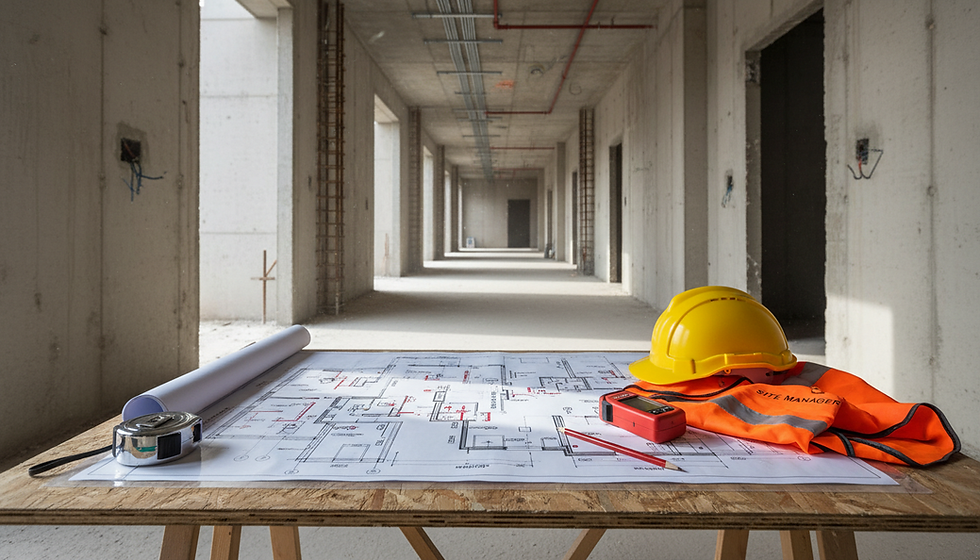
This is the classic method where surveyors use tape measures and laser distance meters to record dimensions. It’s straightforward and cost-effective, ideal for smaller or less complex buildings. Laser tools speed up the process and improve accuracy compared to tape alone.
2. 3D Laser Scanning (LiDAR)
3D laser scanning is a cutting-edge technique that captures millions of data points to create a highly detailed 3D model of the building. It’s perfect for complex structures or historic buildings where precision is critical. The scanner quickly records every surface, including walls, ceilings, and floors, producing a digital twin of the property.
3. Photogrammetry
Photogrammetry uses photographs taken from multiple angles to generate 3D models. It’s less expensive than laser scanning and works well for external surveys or buildings with accessible facades. This technique is often combined with drone photography for large or hard-to-reach sites.
4. Drone Surveys
Drones equipped with cameras or LiDAR sensors can capture aerial views and hard-to-access areas. This method is excellent for surveying roofs, large estates, or sites with restricted access. Drones provide a comprehensive overview and can be integrated with other survey data.
5. BIM (Building Information Modelling) Integration
Once the data is collected, it can be imported into BIM software. BIM allows you to create detailed digital models that include not just geometry but also materials, structural elements, and systems. This makes collaboration easier and improves project planning and management.
Using the right building survey techniques ensures you get the most accurate and useful data for your project. Combining methods like laser scanning and photogrammetry can provide a comprehensive picture of the building.

How Much Does a Builder's Survey Cost?
Understanding the cost of a builder’s survey is essential for budgeting your project. Prices can vary widely depending on the size, complexity, and location of the property, as well as the survey techniques used.
Small residential properties: Typically, a basic measured building survey might cost between £500 and £1,500.
Medium to large properties: For larger homes or commercial buildings, prices can range from £1,500 to £5,000 or more.
Complex or historic buildings: These often require advanced techniques like 3D laser scanning, which can push costs higher, sometimes exceeding £10,000.
Keep in mind that investing in a high-quality survey upfront can save you money in the long run by preventing design errors and construction delays. Always ask for a detailed quote that explains what’s included, such as floor plans, elevations, sections, and any 3D models or reports.
How to Choose the Right Survey Provider in London
Choosing the right company to conduct your measured building survey is key to getting accurate, reliable results. Here are some tips to help you pick the best partner:
Experience and expertise: Look for firms with a strong track record in London and experience with your type of property.
Technology and methods: Ensure they use modern building survey techniques like laser scanning and BIM integration.
Clear communication: Your surveyor should explain the process clearly and provide detailed reports.
Turnaround time: Check how quickly they can deliver the survey results to keep your project on schedule.
Customer reviews and references: Positive feedback from previous clients is a good sign of quality service.
At Studio Drafting London, we specialise in helping property professionals and individuals visualise and optimise spaces through precise technical drawings and stunning 3D renders. We combine the latest survey techniques with expert drafting to make your design process smoother and more efficient.
What Happens After the Survey?
Once the survey is complete, you’ll receive detailed drawings and models that form the basis for your design and planning. Here’s what you can expect next:
Review the data: Go through the floor plans, elevations, and any 3D models to understand the building’s current state.
Share with your team: Architects, designers, and builders will use this information to develop plans and specifications.
Plan your project: Accurate data helps you make informed decisions about layout changes, structural work, and interior design.
Apply for permissions: Detailed surveys support planning applications and building regulations submissions.
Avoid surprises: Knowing the exact dimensions and conditions reduces the risk of unexpected issues during construction.
By starting with a thorough measured building survey, you set your project up for success from day one.
If you’re ready to take the next step, consider booking a measured building surveys london service today. Accurate data is the foundation of every great project!
Happy surveying and designing!

Comments